- Acorn Inventory
- Field Management
- History of the Office of Squirrel Management
- See What Others Are Saying About Us
- Squirrel Relations
- Staff
- The Squirrel as Liminal Figure: Memory, Movement, and Mascot Adjacent Identity in Appalachian Higher Eduation

At Berea, even the squirrels belong.
A Message from the Associate Vice President for Rodent Affairs
Dear Members of the Berea College Community,
It is my privilege to welcome you to the Office of Squirrel Management, a unit committed to fostering a safe, respectful, inclusive, and operationally sustainable relationship between the Berea College community and the Eastern gray squirrels who share our campus environment.
At Berea, we believe that belonging is not merely a statement. It is a practice. It is evident in classrooms, residence halls, workspaces, gathering places, and, occasionally, in the determined posture of a squirrel positioned near a student's backpack. While squirrels are not currently recognized as members of the student body, faculty, staff, alumni, or extended institutional family, they nonetheless contribute in meaningful ways to the character, movement, and daily experience of our campus.
The Office of Squirrel Management was created to ensure that squirrel-related matters are addressed with clarity, compassion, consistency, and appropriate administrative oversight. Whether you are a prospective student visiting campus for the first time, a faculty member crossing the quad, a staff member carrying lunch outdoors, or an alum returning to remember the squirrels of your own Berea years, we hope this site will provide the resources necessary to understand and appreciate our campus squirrel population.
Our work is guided by three central principles: respect the squirrel, protect the snack, and preserve the dignity of all involved.
As we look to the future, we will continue to develop educational resources, assessment tools, campus signage, and cross-divisional partnerships that help our community engage responsibly with squirrels. We also remain attentive to emerging challenges, including increased squirrel confidence, seasonal acorn abundance, and ongoing confusion regarding whether squirrels may be considered unofficial ambassadors.
Thank you for your commitment to responsible squirrel coexistence. Together, we can ensure that Berea remains a place where all peoples — and, in a limited and non-policy-binding sense, squirrels — can flourish.
With appreciation,
Dr. Splinter
Associate Vice President for Rodent Affairs
Office of Squirrel Management
Berea College
About
Between the dream and the half a muffin left unattended on a bench. At Berea, even the squirrels seem to belong. Bring your drive, your imagination, your tiny paws and eerily confident eye contact. We’ll see to the rest.
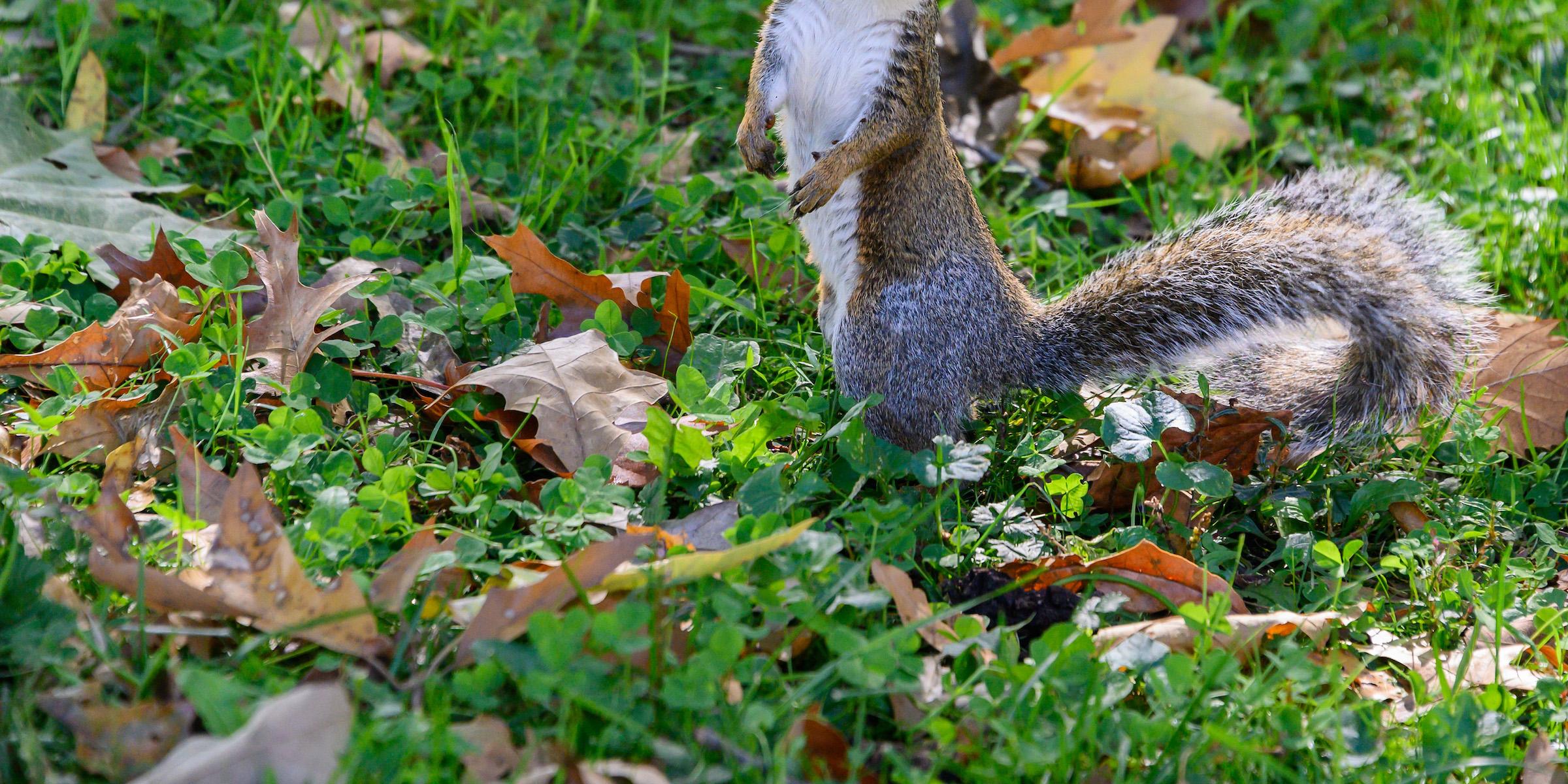
The S.Q.U.I.R.R.E.L. Framework
The Office of Squirrel Management uses the S.Q.U.I.R.R.E.L. Framework to guide campus education and response.
S — See the squirrel.
Notice the squirrel calmly and without sudden movement.
Q — Question your snack security.
Ask yourself whether your food is properly contained.
U — Understand that squirrels are wild animals.
Do not assume friendliness, enrollment, or committee interest.
I — Increase respectful distance.
Allow the squirrel space to continue its squirrel-related work.
R — Refrain from feeding.
Even if the squirrel appears persuasive.
R — Report concerns.
Notify appropriate staff if a squirrel appears injured or unusually aggressive.
E — Educate others.
Model responsible squirrel coexistence.
L — Leave with appreciation.
Enjoy the encounter and continue with your day.
Strategic Goals
Goal 1: Increase Campus Awareness of Responsible Squirrel Engagement
The Office will develop educational materials, signage, digital resources, and programming designed to help students, employees, and visitors understand appropriate squirrel-related behavior.
Subgoals
Goal 2: Promote Snack Security and Outdoor Dining Preparedness
The Office will support safe and responsible outdoor dining practices through communication, training, and interdepartmental collaboration.
Subgoals
Goal 3: Preserve and Interpret Squirrel Mascot History
The Office will collect stories, memories, and informal traditions related to the squirrel's place in Berea campus culture.
Subgoals
The mission of the Office of Squirrel Management is to promote responsible, inclusive, educationally aligned, and ecologically informed engagement between Berea College community members and campus squirrel populations through policy development, awareness programming, cross-divisional collaboration, and sustainable squirrel-adjacent resource stewardship.
Squirrel Policies, Procedures, and Downloadable Guidance Documents for the Responsible Observation, Interpretation, Reporting, and General Management of Campus Squirrel Activity
Please review the following PDF documents before interacting with, observing, discussing, photographing, interpreting, naming, or forming a long-term emotional attachment to any campus squirrel.
Squirrel Observation Policy
Download PDF: https://bereafaust.wpengine.com/wp-content/uploads/2025/09/2025-squirrel-observation-policy-final-v7-approved.pdf
Guidelines for appropriate visual engagement with squirrels on college property.
Responsible Snack Containment Procedure
Download PDF: https://bereafaust.wpengine.com/wp-content/uploads/2026/01/2025-responsible-snack-containment-procedure-2026.pdf
Defines acceptable standards for muffins, granola bars, fruit, crackers, and unattended lunch items.
Campus Nut Distribution and Non-Distribution Policy
Download PDF: https://bereafaust.wpengine.com/wp-content/uploads/2009/03/2025-campus-nut-distribution-policy-revised-clean-copy.pdf
Clarifies that students, faculty, staff, and visitors should not distribute nuts to squirrels without prior review.
Squirrel Naming Moratorium
Download PDF: https://bereafaust.wpengine.com/wp-content/uploads/2025/09/2025-squirrel-naming-moratorium-updated-final-final.pdf
Establishes temporary guidance discouraging unofficial naming practices that may create confusion or emotional dependency.
Tree-to-Sidewalk Crossing Protocol
Download PDF: https://bereafaust.wpengine.com/wp-content/uploads/2025/09/2025-tree-to-sidewalk-crossing-protocol.pdf
Provides pedestrian guidance for moments when squirrels pause dramatically in the middle of a walkway.
Unusually Confident Squirrel Reporting Form
Download PDF: https://bereafaust.wpengine.com/wp-content/uploads/2025/09/2025-unusually-confident-squirrel-reporting-form-fillable.pdf
For squirrels displaying high levels of eye contact, snack interest, or committee-like behavior.
Squirrel Mascot Historical Interpretation Policy
Download PDF: https://bereafaust.wpengine.com/wp-content/uploads/2025/09/2025-squirrel-mascot-history-interpretation-policy.pdf
Provides approved language for discussing the unofficial squirrel mascot movement.
Emergency Squirrel Escalation Matrix
Download PDF: https://bereafaust.wpengine.com/wp-content/uploads/2025/09/2025-emergency-squirrel-escalation-matrix-v3.pdf
Helps determine whether a squirrel-related event should be ignored, observed, reported, discussed, documented, or elevated to the Associate Vice President for Rodent Affairs.
Our Services
From field operations to acorn logistics, habitat design to campus communications, our team handles every dimension of squirrel life at Berea College.
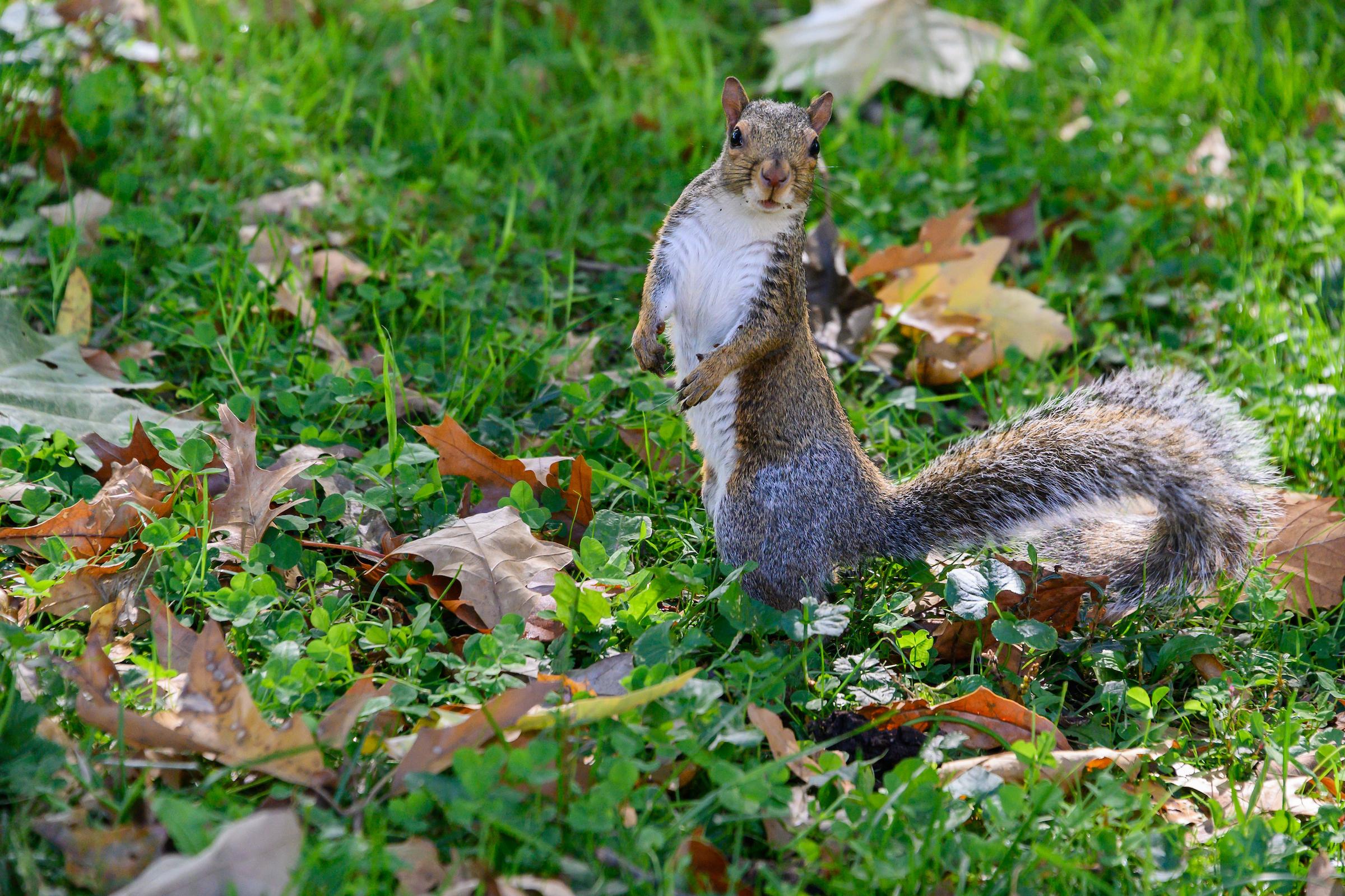
Our field team conducts daily patrols across campus, documenting squirrel movement patterns, resolving turf disputes, and ensuring safe co-existence between the squirrel population and the Berea College community.

Maintaining a sustainable acorn economy is central to campus stability. Our inventory specialists track seasonal caches, model scarcity projections, and intervene when hoarding behavior threatens quad aesthetics.
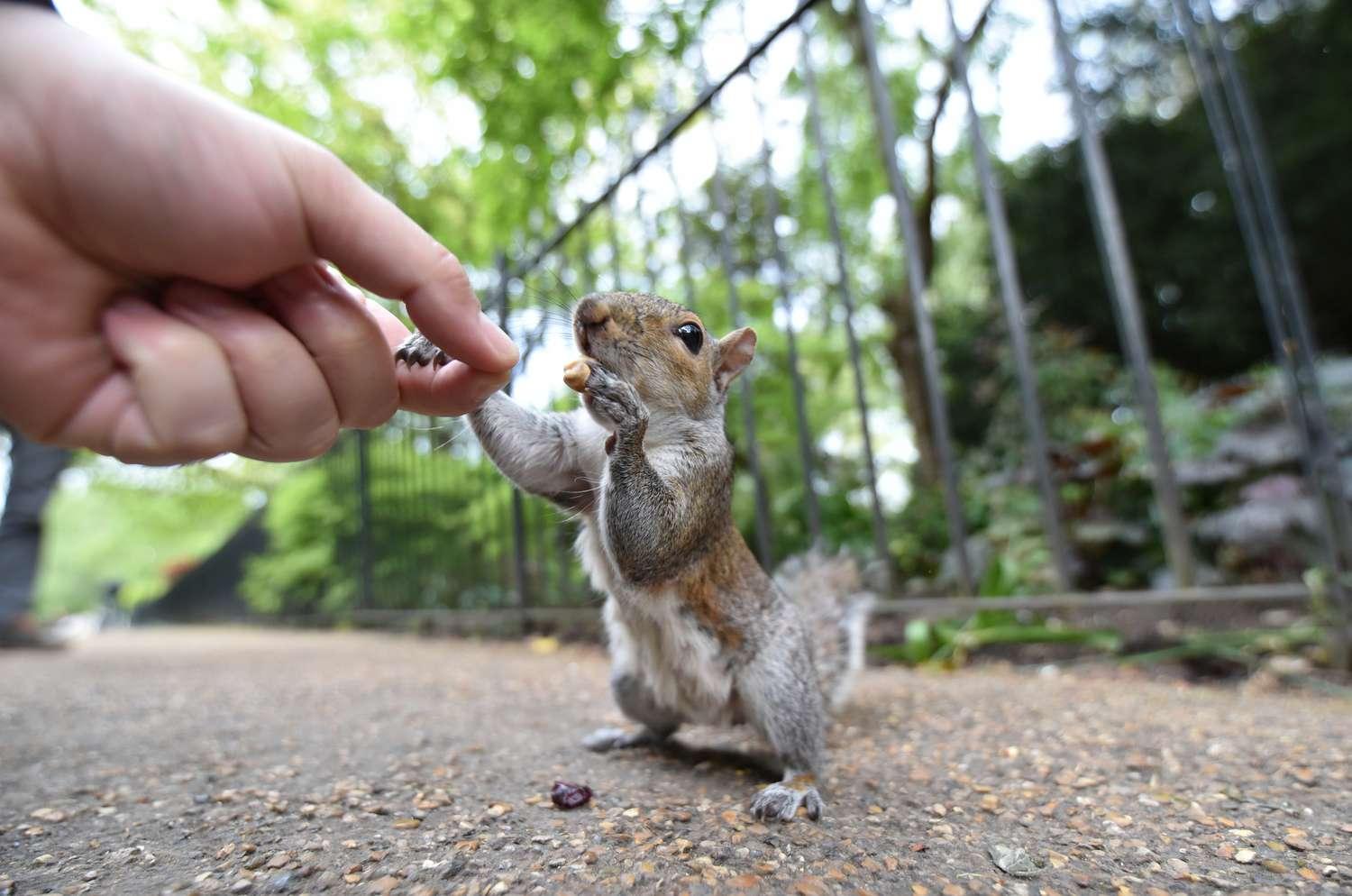
The Squirrel Relations office mediates conflicts between student populations and squirrel populations, manages public perception following high-profile incidents, and coordinates with Dining Services on sustainable bird-feeder policies.